Shift Towards Due Diligence as Credit Risks Increase in Construction Sector

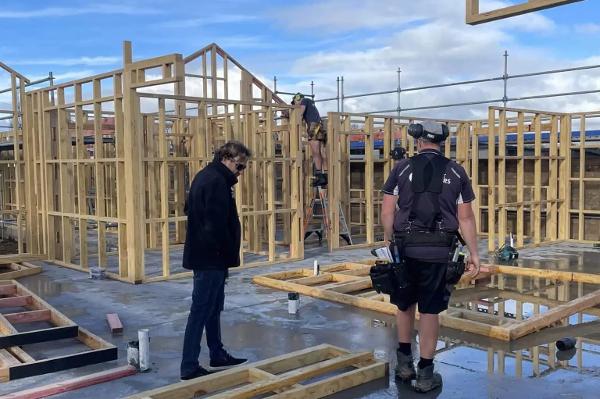
Daniel Davies, director of long-established building company Davies Homes, is seeing a shift in how prospective clients are approaching new home builds. With more people now doing financial due diligence on builders before signing contracts.
Daniel says it’s a trend he strongly encourages - particularly amid rising financial pressures in the construction industry. “We’re seeing more clients take the time to properly vet their builder before they engage,” he says. “And rightly so. It’s something we strongly encourage”.
Construction Sector Under Pressure
Company liquidations reached their highest levels since 2010, with construction among the industries showing increased insolvencies. In 2025 there were 751 construction businesses liquidated, up 13% on the previous year according to Centrix Credit Indicator.
“Building a home is often a $700,000 to $1.5 million+ commitment - easily one of the biggest financial decisions a person makes,” Daniel says. “Doing your own financial checks isn’t overkill - it’s essential.”
What Checks Homeowners Should Consider
Before signing a building contract, Daniel recommends a range of practical steps to help assess a builder’s stability and reputation, such as:
- Running business and credit checks to see if there are signs of late payments or financial stress
- Reviewing Companies Office records for company history and director information
- Asking about finances - including funding lines and company asset structure
- Deposit and payment structure - Look for modest upfront deposits and structured progress payments that are tied to completed work, not work yet to begin.
- Speak with past clients - Find out whether the build was delivered on schedule, whether the contract price was honoured.
- Talking to subcontractors to gauge whether they are paid on time
- Visiting current build sites to observe progress and quality firsthand. Build delays may be due to cashflow issues.
A diverse client base is another important indicator. When a builder works across different sectors, they’re less exposed to fluctuations in any one part of the market.
For example, the rural sector is currently performing strongly. Downsizers are often less impacted by economic shifts. The higher end of the market remains resilient even when mid-level activity slows. So look for evidence of them completing builds across a wide market consistently.
A builder who operates confidently across these segments is not dependent on a single buyer group.
Knowing a builder’s history, stability and how they operate gives clients peace of mind through the entire build process. With rising business closures and financial stress visible across industries, people are rightly thinking more carefully before choosing who builds their home.
As the sector continues to navigate economic headwinds, Daniel believes that well-informed clients and experienced builders with strong track records will continue to stand out - for all the right reasons.