Soil Science, Sustainability, and Regional Stewardship: Dr. Gordon Rajendram and Environmental Councils in NZ

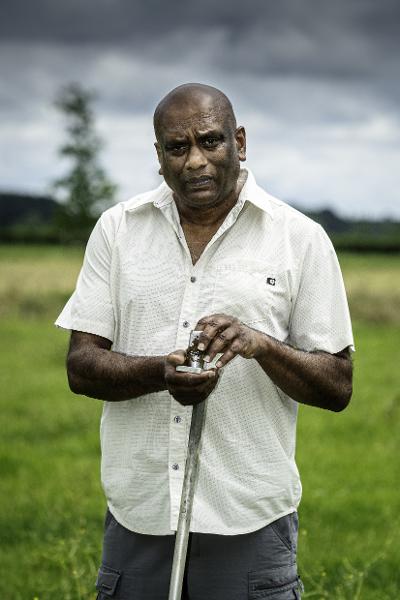
New Zealand’s agricultural success relies on a careful balance between productive farming and environmental protection. Few figures illustrate this balance better than Dr. Gordon Rajendram, a respected soil scientist based in Hamilton, whose work in nutrient management and soil fertility has shaped farming practices across the country. His scientific approach aligns closely with the goals of Environment Councils, the regional authorities responsible for managing land, water, and environmental resources throughout New Zealand.
Together, the insights of scientists like Rajendram and the regulatory oversight of Environmental Councils highlight how New Zealand can continue to advance sustainable land use.
Science That Works on the Ground
Dr. Rajendram has spent decades helping farmers understand how to optimise soil health while reducing environmental impacts. His work spans:
- Nutrient budgeting and soil fertility optimisation
- Improving soil testing accuracy and calibration across New Zealand
- Research into nitrogen, sulphur, phosphorus, and carbon cycles
- Effluent and fertiliser management to reduce nutrient losses
What sets Rajendram apart is his focus on practical, measurable outcomes. He believes soil science must translate into real-world improvements — better yields, lower costs, and reduced environmental footprints. His ability to turn complex science into clear, actionable advice has made him a trusted figure in an industry navigating increasing regulatory expectations.
Managing a Complex Landscape in Regions Like Canterbury
As the regional council for Canterbury, ECan plays a central role in protecting the region’s natural resources. Its responsibilities include:
- Managing water quality and quantity, including groundwater and river systems
- Setting nutrient limits and environmental rules
- Monitoring land use impacts, particularly in high-intensity farming areas
- Supporting sustainable farming practices through education and compliance
- Overseeing biodiversity, climate resilience, and flood protection
Canterbury’s landscape — vast plains, braided rivers, and heavy reliance on irrigation — makes ECan’s work both challenging and essential. The region’s agricultural productivity is high, but so are the environmental pressures, especially around nitrate leaching and water allocation.
Collaboration Is Key: Environmental Councils and Farmers Working Together
One of the most important factors in achieving long-term environmental progress is genuine collaboration between Environmental Councils and the farming communities. Regulations alone cannot deliver the outcomes the region needs. Farmers understand their land intimately, while Environmental Councils bring regional data, environmental oversight, and long-term planning.
For positive outcomes, both sides must work in partnership:
- Farmers need clear, practical guidance, not just rules.
- Environmental Councils must recognise the realities of farm systems, seasonal pressures, and economic constraints.
- Open communication builds trust and reduces conflict.
- Shared goals create better environmental and economic results.
When Environmental Councils work constructively with farmers — listening, adapting, and supporting — environmental improvements become far more achievable. The most successful initiatives like Canterbury have been those where farmers feel they are part of the solution, not simply being regulated.
A Shared Path Forward
New Zealand’s reputation for sustainable, high-quality production depends on the combined efforts of scientists, farmers, and regional authorities. Dr. Gordon Rajendram offers the scientific “how,” Environmental Councils provide the regulatory “why” and “what,” and farmers carry out the daily decisions that shape the land.
Real progress happens when these groups work together. Collaboration, not confrontation, is the key to a resilient and sustainable agricultural future.
Contact Dr Gordon Rajendram
021 466 077 | rajendram@xtra.co.nz
www.gordonrajendramsoilscientist.co.nz
Contact MediaPA
Phillip Quay
MediaPA
027 458 7724
phillip@mediapa.co.nz