What Wellington Homes Commonly Fail During Building Inspections
Wellington homes have plenty of character, but they also come with a unique set of building challenges that buyers do not always spot during an open home. From hillside movement and damp basements through to ageing roofs and poor ventilation, building inspectors across the region continue to see the same issues appear time and time again.
For buyers entering the Wellington market, understanding these common red flags can make a huge difference before committing to a property purchase. A home may present well on the surface, but underlying problems can quickly become expensive once settlement day has passed.
At Alert Building Inspections, many of the issues picked up during inspections are linked directly to Wellington’s climate, geography, and housing stock. Wind, moisture, steep sections, and older construction methods all play a part in how homes age across the region.
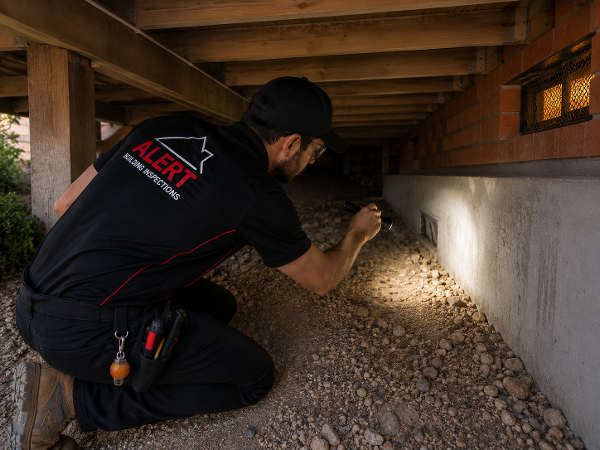
One of the most common problems inspectors identify is dampness and poor moisture control. Wellington’s wet weather and cooler temperatures can create ongoing moisture issues, especially in older timber homes with limited insulation or ventilation. Condensation, mould growth, musty smells, and damp subfloors are all warning signs inspectors regularly come across.
Ventilation is another major issue. Many older homes were built before modern ventilation standards became common, which means bathrooms, kitchens, and subfloor areas often trap moisture instead of releasing it properly. Over time, this can lead to timber deterioration, mould problems, and unhealthy indoor living conditions.
Leaking and weather-tightness concerns are also still present across parts of Wellington. While leaky homes are often associated with Auckland, inspectors continue to identify moisture intrusion around cladding, windows, balconies, and roofing in Wellington properties too. Some homes built or renovated during the late 1990s and early 2000s remain particularly vulnerable if maintenance has been delayed.
Ageing roofs are another common finding during inspections. Wellington’s strong winds can take a real toll on roofing materials over time, especially older iron roofing or poorly maintained flashing systems. Small leaks may not be obvious during an open home inspection but can eventually cause damage inside ceiling cavities and wall linings if left untreated.
Then there is the issue of movement and cracking. Because Wellington sits in a high seismic zone with many homes built on steep or uneven terrain, inspectors often pay close attention to signs of settlement or structural movement. Minor cracking can sometimes be cosmetic, but larger cracks, uneven floors, sticking doors, or retaining wall movement may point to more serious structural concerns.
Retaining walls themselves are another area inspectors monitor closely. Across Wellington suburbs, homes are commonly built into hillsides with older retaining systems supporting driveways, gardens, or foundations. Some walls may be showing signs of leaning, drainage failure, or deterioration that buyers should understand before purchasing.
Unconsented building work also continues to appear regularly during inspections. Over the years, many Wellington homeowners have completed renovations, extensions, or alterations without proper approvals. Sleepouts, decks, enclosed garages, and removed walls are common examples. Even if the workmanship looks tidy, unconsented work can affect insurance, finance approvals, and future resale.
Inspectors are also seeing more DIY renovations completed during the busy property market years. Some upgrades have been carried out professionally, while others show signs of rushed workmanship or poor-quality repairs designed to improve presentation before sale. Fresh paint and new flooring can sometimes hide issues that only become visible through a proper inspection process.
One important thing buyers should understand is that no property is completely perfect, especially older homes. The goal of a building inspection is not to scare buyers away, but to help them understand the true condition of the property and what maintenance or repairs may be needed in future.
A detailed report allows buyers to budget properly, negotiate if necessary, and avoid unexpected surprises later. At Alert Building Inspections, reports are written in plain language with photos and practical recommendations so buyers can clearly understand what has been identified and how serious the issues may be.
As Wellington’s housing market continues to evolve, more buyers are recognising the value of getting professional advice before committing to a purchase. Building inspections have become an important step for anyone wanting a clearer understanding of a property’s condition, especially in a region where weather, terrain, and ageing housing can create hidden problems over time.
For many buyers, a building inspection in Wellington is no longer viewed as an optional extra. It is simply part of making a smarter and more informed property decision.