Why Native Plants Are Becoming a Smarter Choice for New Zealand Gardens
Many New Zealand gardens are planned around appearance first. A plant looks good in a nursery, fills a gap nicely, or adds colour at the right time of year. That can work in the short term, but it does not always create a garden that grows well over time.
Native plants encourage a different way of thinking. Instead of treating planting as decoration, they make the garden part of the wider property. They can improve the way a space feels, support local wildlife, and create structure that becomes stronger as the garden matures.
For homeowners, landscapers, and property owners, this makes native planting a practical option rather than just a visual preference.
The Garden Has to Grow Into Its Setting
A garden should feel like it belongs where it is. This is especially important in New Zealand, where weather, soil, and exposure can change significantly between properties.
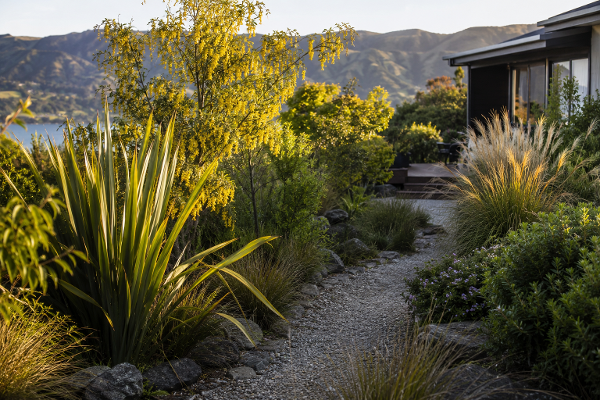
Native plants often work well because they suit the character of local landscapes. They do not have to make a garden look wild or informal. Used carefully, they can create a clean, settled result that still feels natural.
This is one reason they are often chosen for new homes and larger planting projects. New sections can feel exposed at first, especially when fences, driveways, and outdoor areas are still visually dominant. Planting helps soften that newness and gives the property a stronger sense of place.
For people planning a new garden or larger planting project, Growing Plants is a useful place to source plants suited to New Zealand conditions.
Good Planting Starts Before the Plants Are Chosen
The best time to think about planting is before anything is bought. A garden plan does not need to be complicated, but it does need to be honest about the site.
Some areas need privacy. Others need planting that can handle wind, shade, wet soil, or limited space. A plant chosen only for its appearance can become a problem later if it grows too large or needs conditions the site cannot provide.
A few practical questions can help guide better choices:
What does this part of the property need to achieve?
How exposed is the area through the year?
Will the plant still suit the space once mature?
How much maintenance will be realistic?
Does the planting need to screen, soften, shelter, or simply add structure?
These questions help shift the focus from what looks good today to what will keep working in five or ten years.
Native Does Not Mean Untidy
There is still a common assumption that native gardens have to look loose or overgrown. They can be natural and relaxed, but they can also be controlled, simple, and architectural.
The difference comes down to planning. A clear planting rhythm, enough spacing, and the right plant sizes can make native gardens feel deliberate. A smaller number of well-chosen varieties often creates a stronger result than filling the space with too many different plants.
This matters for modern homes, commercial sites, and properties where the garden needs to look tidy without feeling overly formal. Native plants can bring softness and movement while still keeping the overall design clean.
Privacy Can Feel Natural
Many people use planting to create privacy, but the result can feel very different from a hard boundary. A fence blocks a view. Planting changes the atmosphere of the space.
Native hedging and screening plants can create separation while making the garden feel calmer and more connected to its surroundings. Over time, good screening becomes part of the property rather than something that looks added on.
The most effective privacy planting is not always the quickest option. Fast growth can be useful, but mature size, density, and long-term manageability matter more. A plant that becomes too large for its position can create more work than it solves.
More Than a Decorative Choice
Native planting can add life to a garden in ways that are easy to overlook. Birds, insects, seasonal flowers, foliage changes, and movement in the wind all help make an outdoor area feel active.
This is one of the reasons native plants are used across both residential and larger landscape projects. They can make a site feel less artificial while still serving a clear practical purpose.
Homeowners and landscapers can explore native plants when they need planting that suits local conditions and supports the long-term structure of a garden.
Establishment Matters
Native plants are often described as easy care, but they still need a good start. The first stage after planting is important because roots need time to settle and compete with weeds, dry periods, and changing weather.
Watering, mulch, and early weed control can make a significant difference. Once plants are established, maintenance usually becomes more manageable, especially when the original plant choices were suited to the site.
A well-planned native garden should not need constant correction. It should become stronger and more settled as the plants mature.
A Better Long-Term Garden
Native plants are a strong option for gardens that need to last. They can create privacy, shelter, structure, and a stronger connection to the surrounding landscape without relying on short-term impact.
The best results come from choosing plants for the role they need to play. When the planting suits the site and has room to mature properly, native plants can help create a garden that feels natural, useful, and built for New Zealand conditions.