The rise of dairy beef in New Zealand

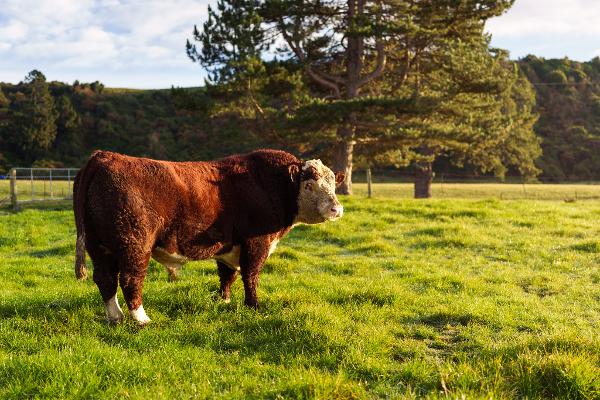
Dairy beef is becoming an increasingly important part of New Zealand’s livestock sector, as farmers look for ways to improve the value of surplus or non-replacement calves.
More dairy farmers are selecting beef genetics that complement their dairy herds, creating animals that deliver stronger returns throughout the supply chain.
This shift reflects changing market demands, advances in breeding technology, and a greater focus on producing calves with a clear purpose. Dairy beef now represents a significant opportunity for dairy farmers, beef finishers, processors, and consumers alike.
Why dairy beef is growing in New Zealand
The use of beef genetics within dairy herds has increased considerably in recent years. According to DairyNZ, dairy beef breeding helps create calves with improved growth rates, carcass performance, and overall value when compared with calves bred from lower-value dairy matings. Dairy farmers can capture additional income from calves that are suitable for beef production while maintaining progress within their replacement breeding programmes.
Industry data also highlights the growing adoption of dairy beef across New Zealand. Reports from Dairy News indicate that dairy-beef breeding has increased to around 12% of matings (about the same as purebred Jerseys), reflecting confidence in the economic benefits of well-planned breeding decisions. Farmers are recognising the value of producing animals that meet the needs of beef finishers while generating stronger returns from the dairy platform.
The result is a more connected approach to livestock production, where breeding decisions made on dairy farms contribute to profitability throughout the wider industry.
The role of genetics in dairy beef success
Strong results begin with the right genetics. Successful dairy beef programmes rely on sires that deliver traits valued by both dairy farmers and beef producers. Calving ease remains a priority within dairy systems, while growth, feed efficiency, and carcass quality remain important for downstream performance.
Dairy genetics companies like World Wide Sires New Zealand have invested heavily in identifying and supplying genetics that meet these requirements. Through partnerships with leading breeders and internationally recognised studs, World Wide Sires provides dairy farmers with access to carefully selected dairy beef sires suited to New Zealand conditions.
The company’s dairy beef programme is built around proven performance data and ongoing genetic evaluation. This gives farmers confidence when making breeding decisions and helps ensure calves are bred with both dairy and beef objectives in mind.
Bluestone Lincoln, a Hereford sire available through World Wide Sires New Zealand by Canterbury breeders Bluestone Herefords. has attracted attention for his combination of calving ease, short gestation length, low birth weight and strong growth performance. His progeny are designed to meet the practical needs of dairy farmers during calving while delivering the growth traits valued by calf rearers and beef finishers.
Dairy beef benefits for dairy farmers
For dairy farmers, dairy beef provides an opportunity to maximise the value of calves that are not required as herd replacements. The focus has shifted from producing surplus calves with limited market demand to breeding animals with clear finishing potential.
Genetic selection plays a major role in this process. When dairy farmers use proven beef sires over suitable cows from genetics companies like World Wide Sires, the resulting progeny often demonstrate stronger growth performance and improved market appeal. These calves can attract greater interest from rearers and finishers who are seeking animals capable of delivering profitable outcomes.
The dairy beef model also supports more strategic herd management. Many farmers now use sexed semen to generate replacement heifers from their top performing 25 percent, and beef genetics across some or the remainder of the herd. This approach helps balance replacement requirements with opportunities to increase calf value.
Supporting a stronger livestock sector
The benefits of dairy beef extend beyond the farm gate. Beef finishers gain access to animals bred specifically for growth and carcass performance. Processors receive livestock that better aligns with market specifications. Consumers benefit from a reliable supply of quality beef products.
New Zealand’s dairy industry produces a large number of calves each year. Dairy beef creates a pathway that allows more of these animals to contribute positively to the red meat sector. This supports greater efficiency across the agricultural landscape while helping meet demand for high-quality beef.
Recent reporting from Farmers Weekly highlighted increasing farmer interest in dairy beef as producers seek additional value from livestock systems. The trend reflects a broader understanding that genetics influence outcomes long before animals reach finishing properties.
How World Wide Sires is helping shape dairy beef
As demand for dairy beef continues to grow, World Wide Sires continues to invest in elite dairy beef sires, allowing farmers to access genetics that balance calving ease with traits that support strong beef performance later in life.
Partnerships with respected breeders and studs around the world have played an important role in this progress. These relationships provide access to leading genetics and continuous improvement within dairy beef breeding programmes. The results are being seen on farms where producers are achieving stronger calf values and creating livestock that appeal to beef finishers.
World Wide Sires also works closely with farmers to help match sires to herd objectives, ensuring breeding decisions align with both short-term requirements and long-term profitability.