Five questions to ask before you hire a helicopter spraying company

Five questions to ask before you hire a helicopter spraying company
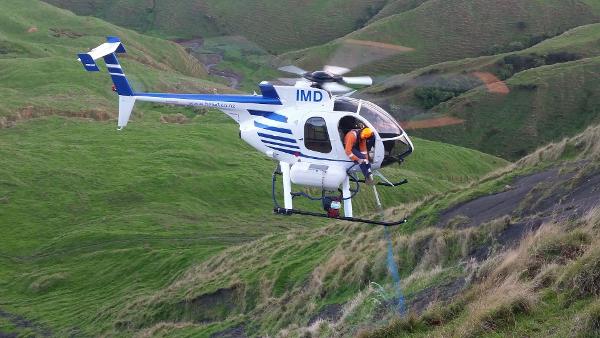
A skilled pilot can place product on a narrow strip of hillside to within a few metres on a job that would occupy a ground crew for days. Modern helicopters carry GPS guidance and calibrated spray booms, which allows experienced operators to treat steep, wet or remote country with remarkable accuracy.
A capable helicopter spraying company brings together aircraft, chemical knowledge and a practised sense of local weather, and the five questions below will help you recognise that capability before you make a booking.
What do you want the spraying to achieve?
A good job starts with a very clear picture of your goals, because weed control on a hillside and pest management in a forestry block call for different products, volumes and timing. You should provide your operator a detailed map of the area, the species of plant you want to target, and any previous treatments you’ve actioned. It’ll give your helicopter spraying company a chance to build an accurate plan.
Many treatments only work within a narrow growth window, and operators are often booked months ahead, so it’s worth planning ahead, well before the season starts.
Does your operator hold the right certification?
Any helicopter spraying company worth hiring will be happy to show you their certifications before they begin their work. In New Zealand, agricultural aircraft operators hold a Civil Aviation Authority Part 137 certificate, and pilots and loaders should hold current qualifications for handling agrichemicals, with GROWSAFE training being a common benchmark. It’s worth using the real deal, as going with cowboys or those without the correct qualifications add risk to the job.
What equipment and application methods will be used?
Helicopters differ in capacity and boom design, and choices like these will impact the evenness with which product reaches the target, and the accuracy of the spraying. Fine droplets travel further on the breeze, while coarse droplets settle more reliably, so it is worth asking the helicopter spraying company to bring a setup that suits your terrain and your chosen product. Operators can also use GPS guidance to record flight lines, and a copy of that data can usually be supplied once the job’s done. Great records are useful for compliance reporting and for planning follow-up treatment.
How will weather and neighbouring land be managed?
Wind speed, temperature, humidity and the stability of the air near the ground all influence where spray ends up. Good operators set clear limits and will postpone a flight when conditions change the job, so ask what those limits are and who makes the final call on the day.
After all, a delay is going to cost you less than a drift incident.
What does the quote include, and how is success be measured?
Quotes that look similar on the surface can cover very different services, so check whether the price includes product, ferrying time, loading and travel to your property. Find out how rain delays and repeat visits are charged, since a low figure with many exclusions can end up costing more than a higher quote that covers everything.
Choosing a helicopter spraying company with confidence
Hiring a helicopter spraying company is a decision that rewards good forward planning. Your chosen operator should welcome detailed questions, because informed clients give better briefs and achieve better results.