Preparing for a Dry Summer: NZ Soil Scientist Dr Gordon Rajendram on Forecasts, Feed and Farm Risk

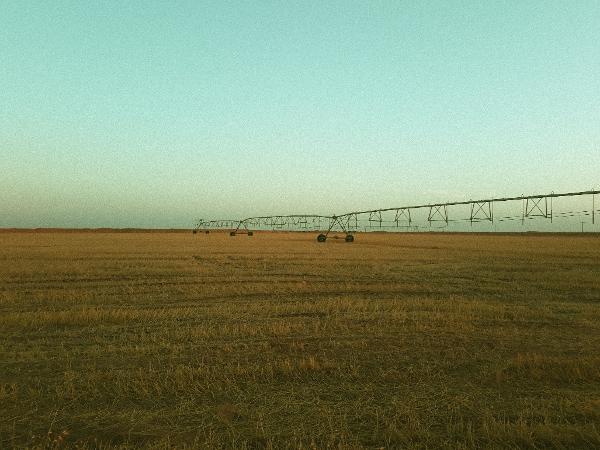
Farmers on New Zealand's east coast are being warned to prepare for a dry summer, with the risk potentially running into autumn. Dr Gordon Rajendram says the warning deserves attention, but it should be read as a shift in the odds rather than a promise.
Earth Sciences New Zealand's latest outlook, issued on 29 October, expects a very strong El Niño to be the main driver of the country's climate through to January. For Gisborne, Hawke's Bay and Wairarapa it gives a 55 percent chance of below normal rainfall, compared with the 33 percent that applies when there is no forecast guidance. Coastal Canterbury is less certain, with near normal rainfall about as likely as below normal, though the north leans drier. Warmer temperatures are also expected, and El Niño is not forecast to ease before April or May 2027, so autumn is a concern too.
How reliable is that? Dr Rajendram says seasonal outlooks are weighted odds, not a crystal ball, although the science has moved on. Forecasters now run several models together and check them against past results, and they report more confidence when the climate signal is strong, as it is now. Even so, El Niño explains less than a quarter of the year to year variation in seasonal rainfall at most locations, and the record is mixed. Severe drought hit the east in 1972/73, 1982/83 and 1997/98, yet 2015/16 turned out less dry than feared in many areas. Confidence for national rainfall is medium-low, but relatively high for the dry signal in the east of the North Island. The sensible reading is a risk high enough to plan for, not a certainty.
Because the cost of preparing is small compared with the cost of being caught short, Dr Rajendram suggests:
Conserve surplus spring pasture as baleage or silage rather than letting it go rank.
Complete a feed budget now, and set early trigger dates for destocking, culling or early weaning.
Hold grazing residuals to protect pasture persistence going into autumn.
Time nitrogen fertiliser for when there is soil moisture to carry it in.
Check stock water supplies and irrigation allocations before they are tested.
His advice is to plan for dry, and be pleased if the rain comes.
References
Earth Sciences New Zealand. Seasonal Climate Outlook November 2026 - January 2027: https://niwa.co.nz/climate-and-weather/seasonal-climate-outlook/seasonal-climate-outlook-november-january-2027
Earth Sciences New Zealand. El Niño 2026: What you need to know: https://earthsciences.nz/news/el-nino-2026-what-you-need-to-know
NIWA. The impact of El Niño and La Niña on New Zealand's climate: https://www.niwa.co.nz/climate/information-and-resources/elnino/elnino-impacts-on-newzealand
NIWA. Improving seasonal climate forecasts: https://niwa.co.nz/news/improving-seasonal-climate-forecasts
For more information, please contact:
Contact Dr Gordon Rajendram
021 466077
rajendram@xtra.co.nz
www.gordonrajendramsoilscientist.co.nz
Contact Media PA
phillip@mediapa.co.nz
027 458 7724